The Border Canary
The Border Canary was once nicknamed the "Wee Gem" because of it's small compact size but, ironically is now one of the largest canary birds.
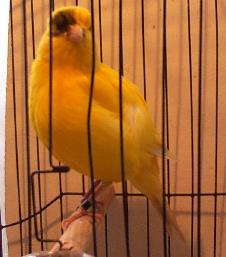
These canaries get there name from their place of origin...the border area between Scotland and England.
Also known as the Border Fancy, details of this canary's origins are somewhat mysterious...no one knows for sure exactly when this breed of canary bird began to develop.
We do know that the Border began as a "Common Canary" probably sometime in the late 1700's or early 1800's.
It became popular as the "Wee Gem" by the mid-1800's and was officially named "Border Fancy Canary" on July 5, 1890.
The Border soon after became the most popular canary in the British Isles.
Recommended Pet Canary Supplies...


The Border Fancy Canary is a Type Canary and is bred for appearance with no regard given to it's singing ability.
No longer a small "wee gem" of a canary, the ideal Border Fancy canary today is 5 3/4 inches long...now one of the larger canary varieties.
Compared to the Gloster Canary at 4 3/4 inches long...or the Fife Canary no longer than 4 1/2 inches...the Border, indeed, is not small.
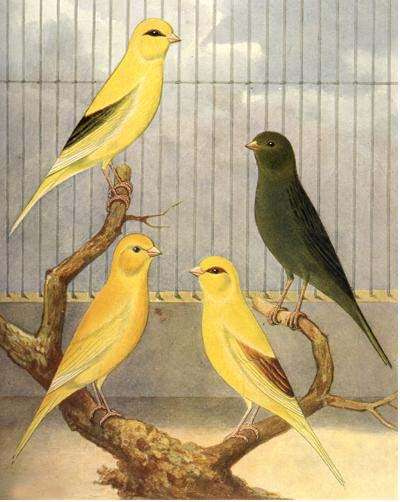
Border canaries are seen in the following colors...
- White
- Blue
- Yellow
- Buff
- Green
- Cinnamon
This Type Canary may also be "ticked" or "variegated".



Keep in touch with us and sign up for the free CanaryTips newsletter. Get more info on canary birds, canary care, and types of canaries. Click here.
Find a Border Canary breeder...click here.
To learn more about the Border Canary visit the Border Fancy Canary Club.
Return to Canary Types Main Page
Return to CanaryAdvisor.com Home Page